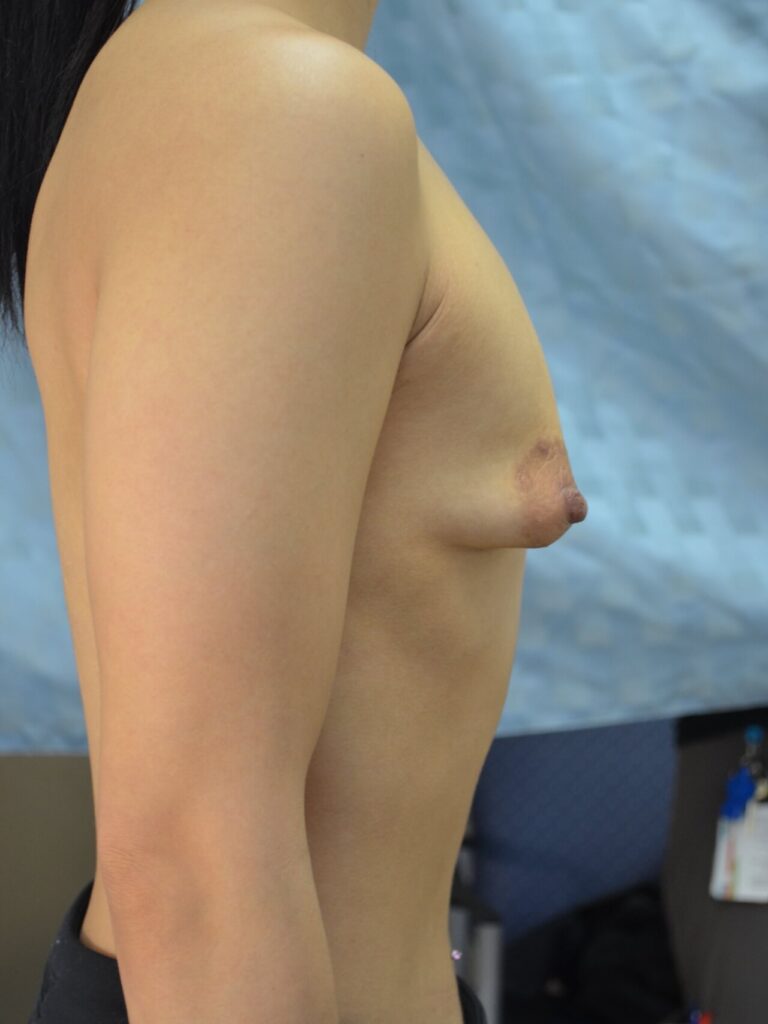
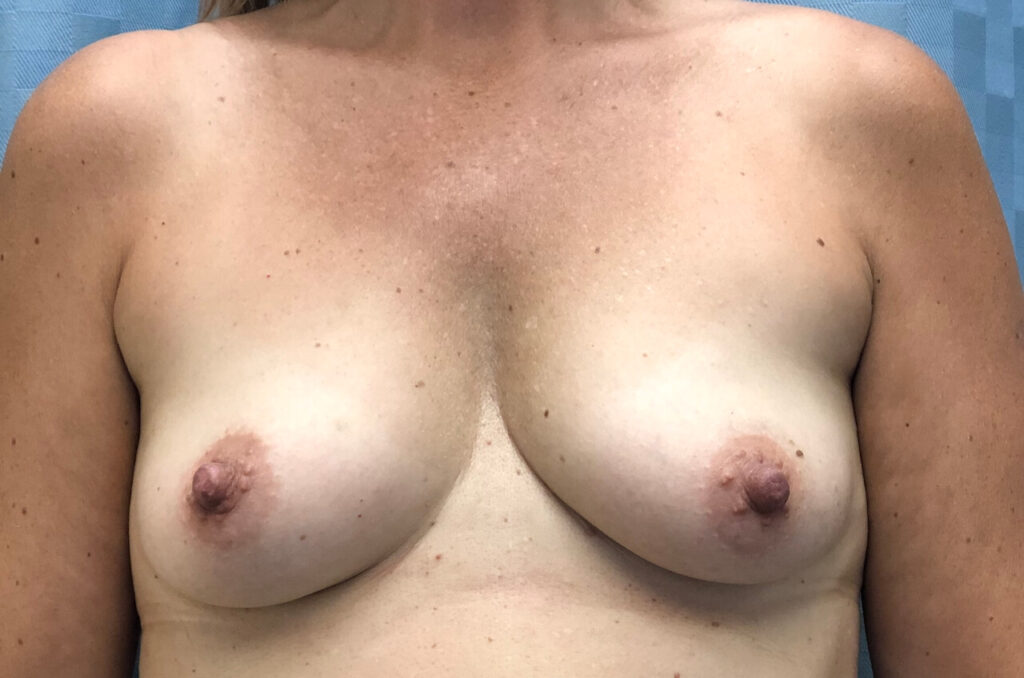
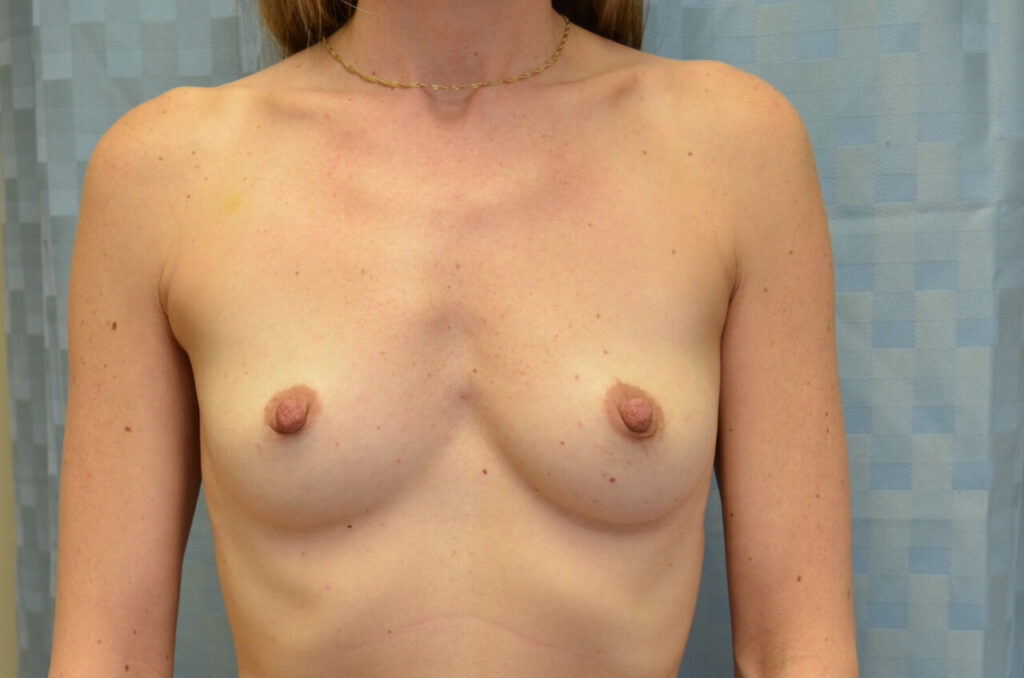
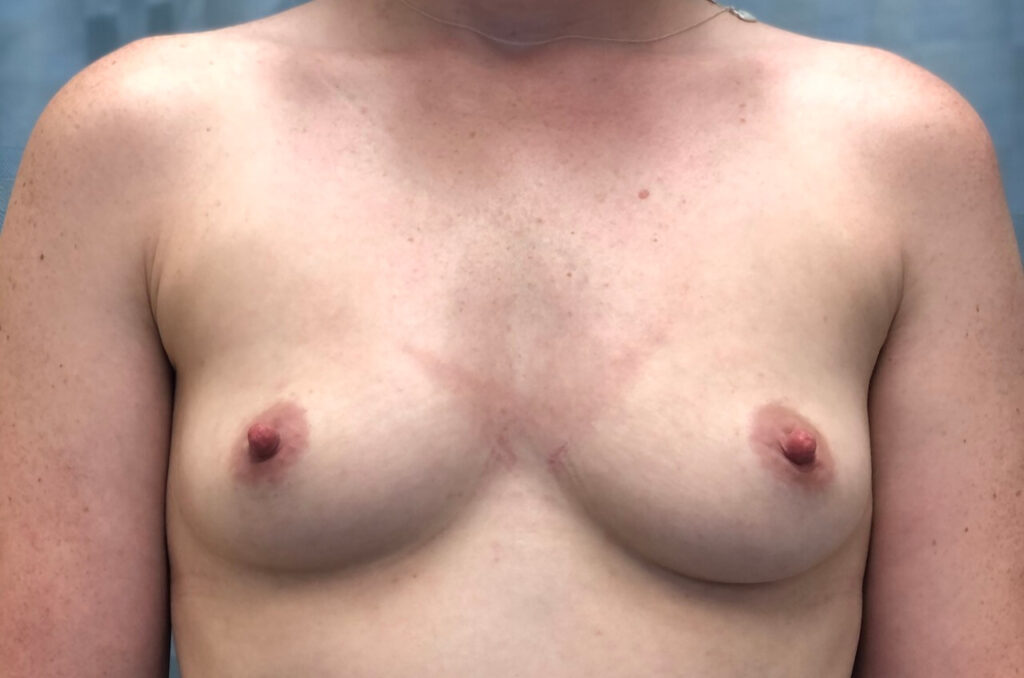
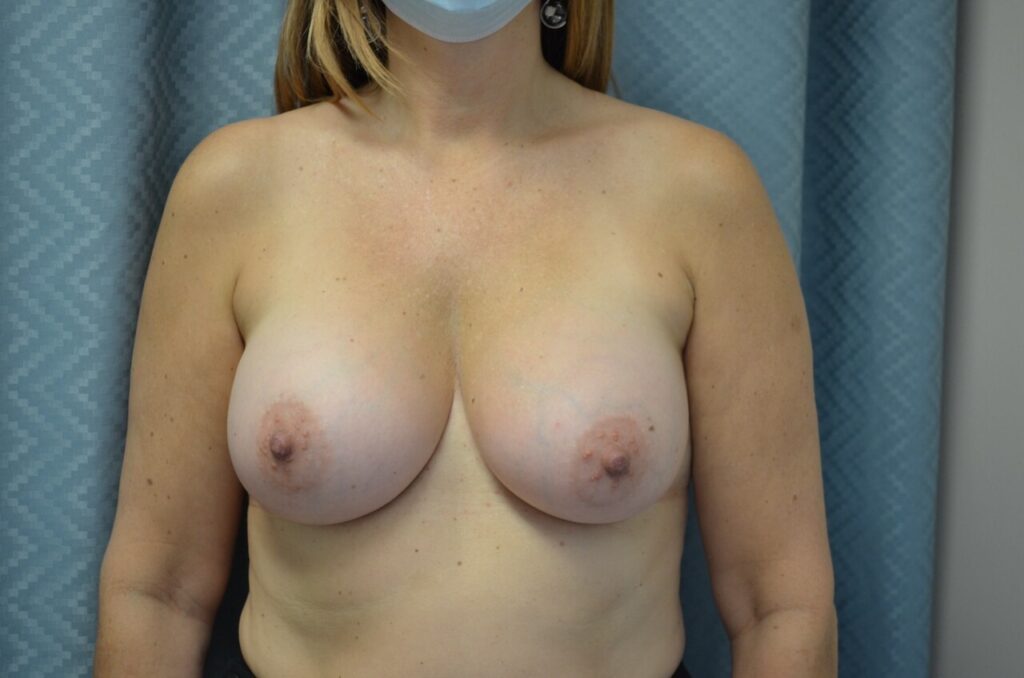
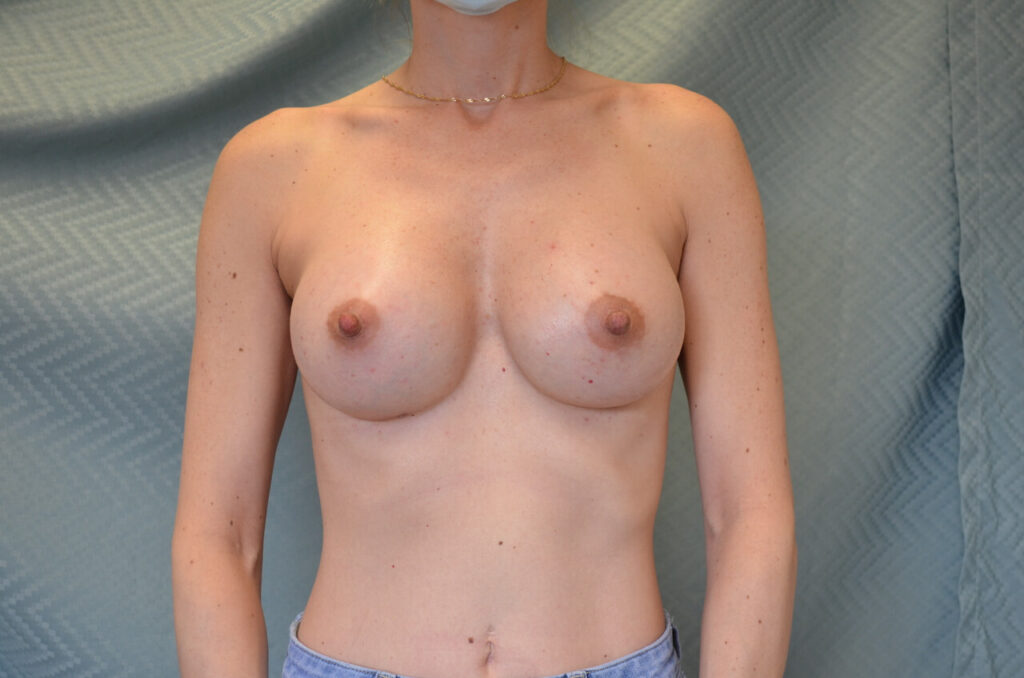
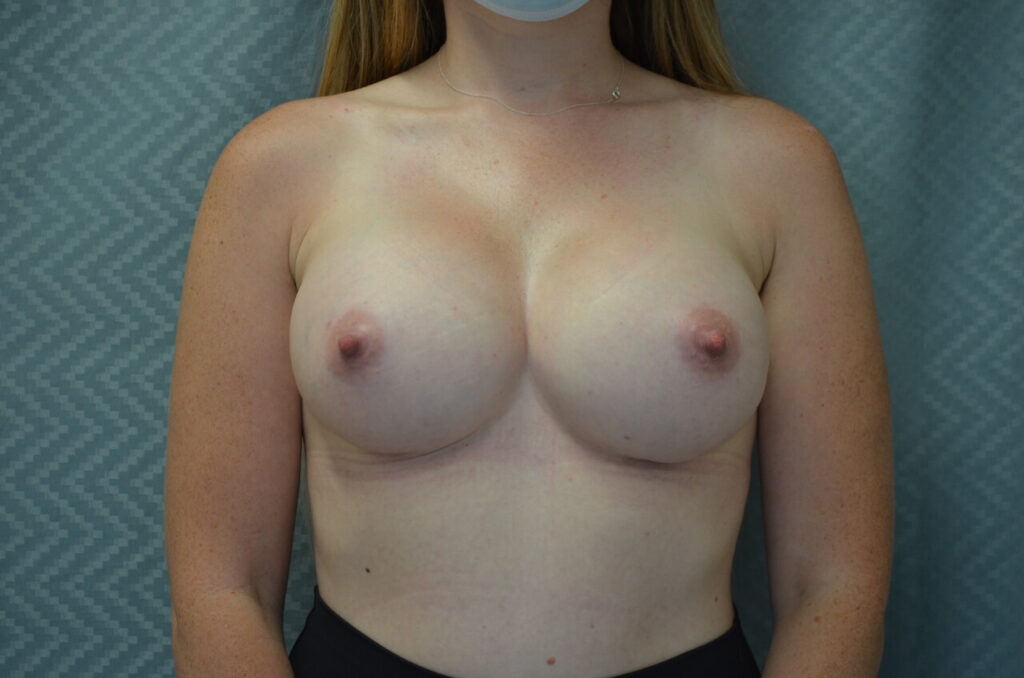
Breast augmentation is designed to enhance breast shape and volume. This procedure can also restore breast volume lost after weight reduction or pregnancy, optimize breast shape or improve natural breast asymmetry.
What breast augmentation surgery can do for you:
Breast augmentation does not correct severely drooping breasts. A breast lift may be required along with a breast augmentation for sagging breasts to look fuller and lifted.
Breast lifting can often be done at the same time as your augmentation or may require a separate operation. Dr McRae will assist you in making this decision.
Breast augmentation is a deeply personal procedure, and it is important that you’re doing it for yourself and not for someone else. Patient satisfaction is high, specifically when they want the procedure themselves.
We are also experienced in complex revision surgeries and treat breast deformities such as tuberous breast deformity and to help achieve symmetry in breast reconstruction patients.
You may be a candidate for breast augmentation if:
Recovery Time
Typical recovery time from breast augmentation is 2-4 weeks. Patients should expect to see changes in the shape of the breast for 6 months after surgery.
Incision
There are 3 common locations for placement of breast implants. The incision choice is important to help decrease the visibility of the scar.
The ideal incision location depends on your body anatomy, the size of implant chosen, your skin type. Certain skin types are more likely to leave visible scars than others.
One complication for reoperation in breast augmentation is formation of scar tissue around the implant called capsular contracture. An important cause of this is now known to be far less common when the inframammary incision location is chosen and a no touch technique during the surgery.
Implant placement
There are 4 possible locations that Dr McRae places breast implants during breast augmentation.
Breast implants on average last many years. The implant manufacturers state that you should not expect your implants to last forever and they will eventually need to be replaced. Reasons for replacement include wear and tear, weight change affecting the appearance of the breast, implant movement, and scar tissue formation (capsular contracture). Dr McRae does many things prior to surgery, during your surgery, and after your surgery to minimize the risk of these issues. He will discuss these protocols with you before your surgery.
Women are recommended to have routine mammograms in Canada as they age. Breast implants decrease the amount of breast tissue that can be visualized on a routine mammogram. Improved mammogram techniques and technology such as MRI can be done to get a better view of breast tissue if there are concerns.
Breast implant illness is not well understood by the scientific community but that information will become more clear in the future. We do know that it is very rare, but there are some women that Dr McRae has treated that have had improvement of symptoms with breast implant removal. These patients often require a breast lift or fat grafting after implant removal for optimal cosmetic outcome.
There is a form of cancer that is associated with a now recalled breast implant with a textured surface. Dr McRae does not use these implants. If you would like more information about this condition you can look at the American Society of Plastic Surgery Website, or pick up Dr McRae’s textbook: Understanding Breast Reconstruction: Empower your choice. It is available on Amazon.com.